
Certainty in measurement
We sell certainty
in sensors.
Certainty in measurement.
Certainty in supply.
Certainty in quality.
Certainty in supply
Your schedule has to hold
Certainty in quality
Reliable from start to finish

Have a specific challenge?
Current supplier isn't keeping up.
If a long lead time or missing second source is putting your schedule at risk, we can help with stocked standard parts, rush orders, and a North American supply path.
Solve a supply problemCurrent part is failing in the field.
A part can pass lab validation and still struggle in the real application. We can help you find the failure mode and move to a design that holds up.
Diagnose a field failureDesigning a new product.
Bring us in early to match the thermistor to your operating range, accuracy target, package, and environment.
Solve a design problemProducts
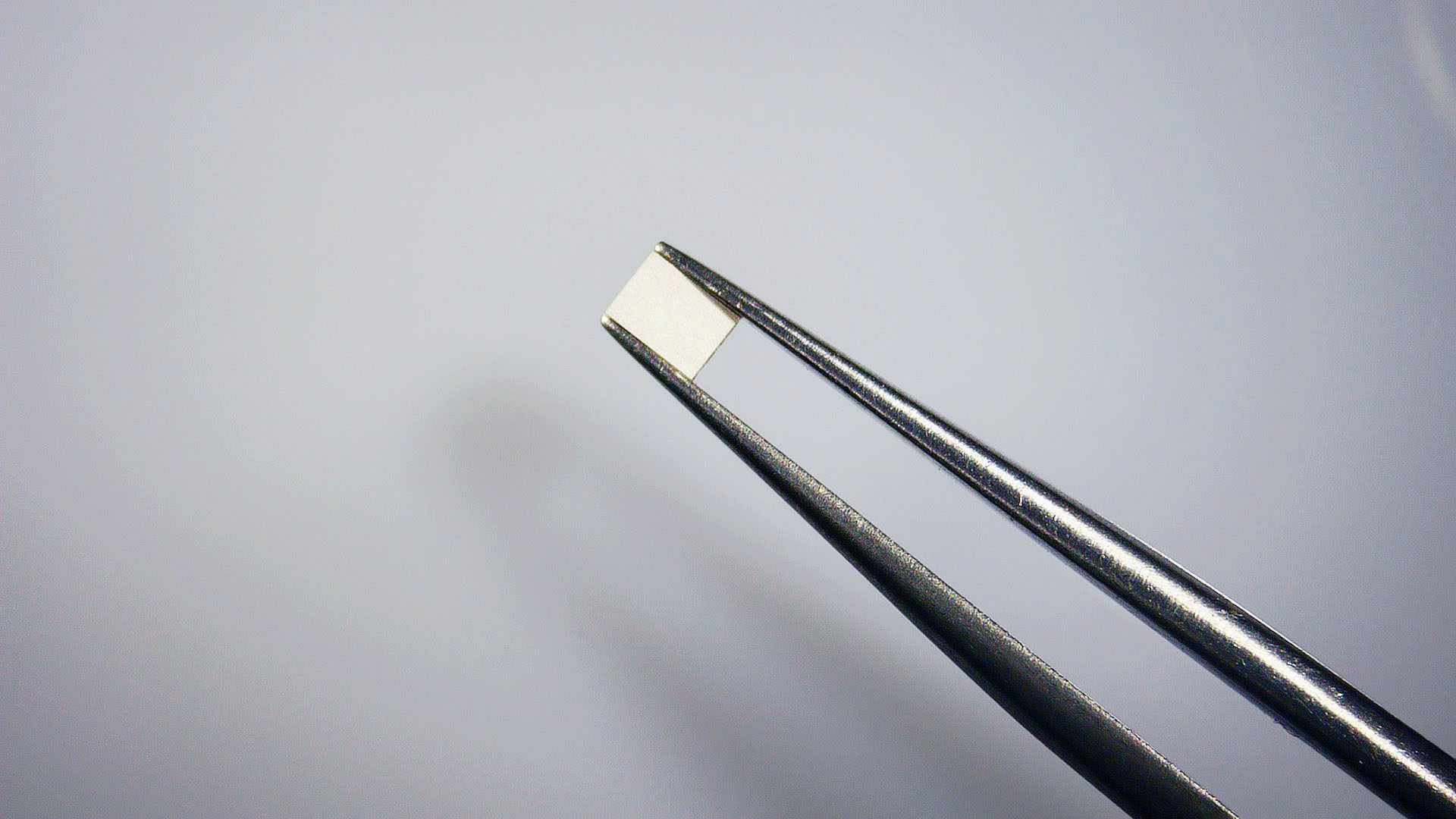
Leadless NTC Thermistors
Small chip thermistors for hybrid circuits, integrated circuits, and printed circuit boards. Mount them with conductive epoxy or solder when you need sensing close to the heat source.
 Learn More
Leaded NTC Thermistors
Fast, rugged, and cost-effective temperature sensors for applications from -50 C to 150 C.
 Learn More
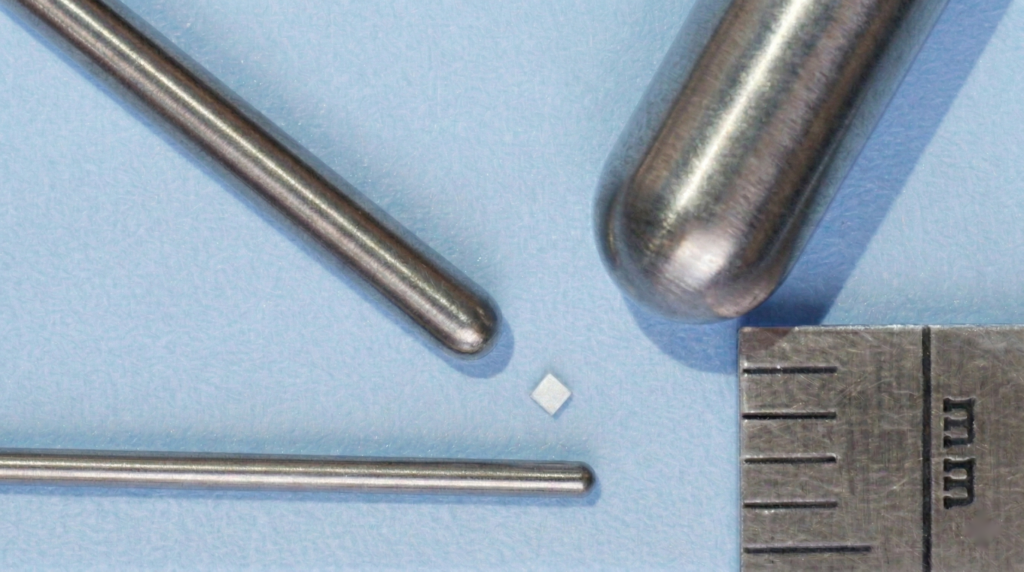
Thermistor Probes
Probe housings protect the sensing element from the environment while helping the sensor respond the way your application needs.
 Learn More
Applications
Medical Devices
Small, tight-tolerance sensors for medical and biomedical applications such as dialysis, blood warmers, and NICU incubators.
Learn More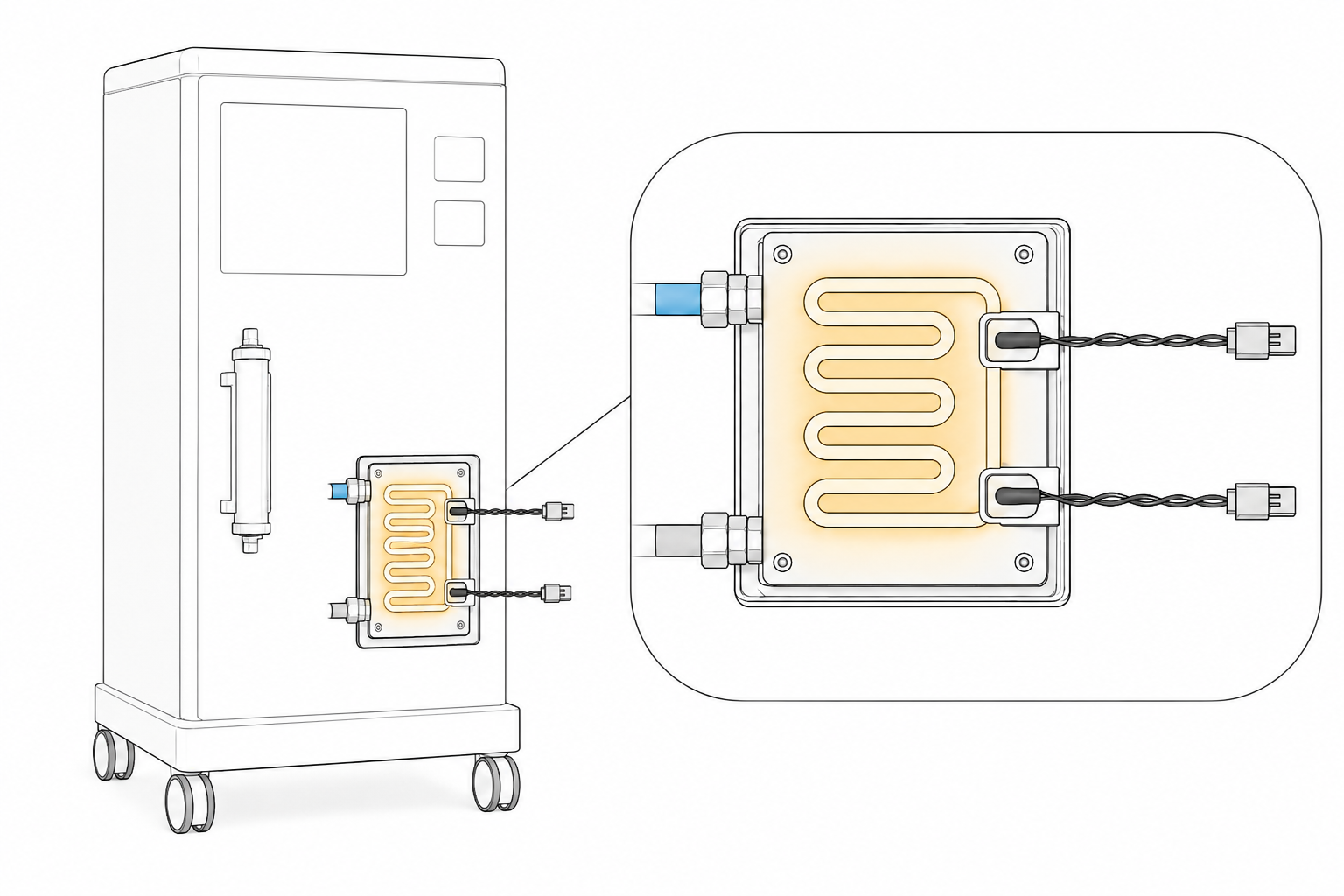
Aerospace & Satellites
Precision temperature sensing for aerospace and orbital systems where performance, reliability, and supply discipline all matter.
Learn More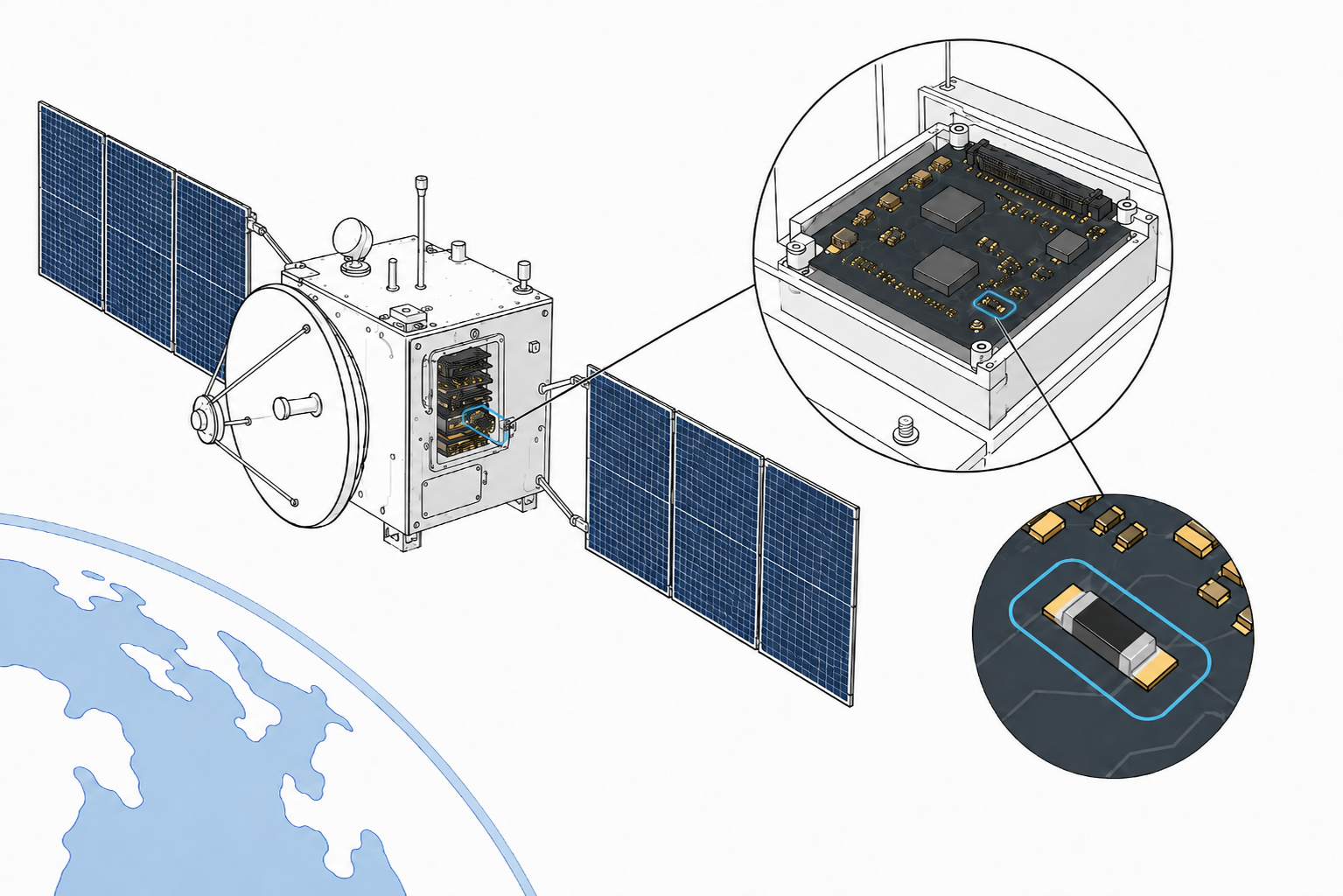
Data Center & Communications
Compact thermistors for tightly constrained electronics where thermal protection and compensation are part of the design.
Learn More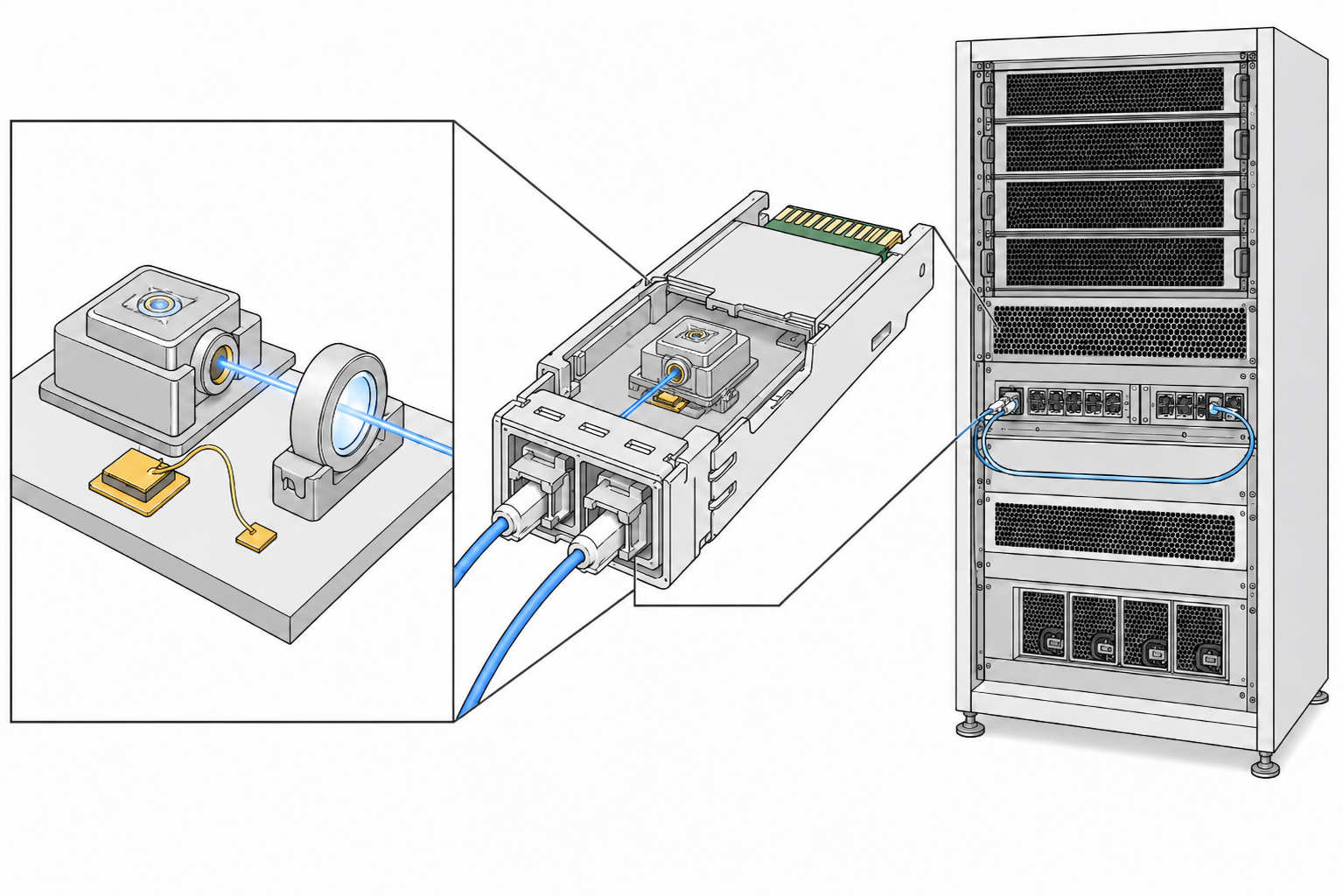
Learn
About NTC Thermistors
Get oriented on what NTC thermistors are, how they sense temperature, and where they fit alongside other sensing technologies.
 Learn More
How to Select an NTC Thermistor
Start with resistance, tolerance, beta values, and packaging so the device matches your application from the first prototype.
 Learn More
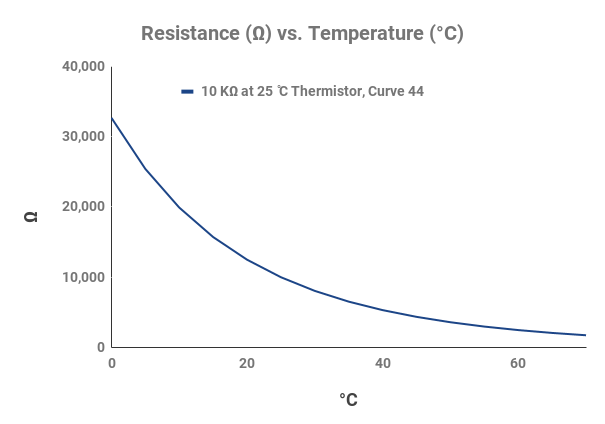
Temperature Curves
Review resistance-versus-temperature behavior and compare the operating ranges that designers use most often when specifying a thermistor.
 Learn More